Understanding Trail Classifications
Before you clip in, you need to know what you are riding into. Most trail networks use a standardized color-coding system to indicate difficulty, similar to ski resorts.
- Green (Beginner): Wide trails, gentle gradients, and relatively smooth surfaces. Ideal for learning basic bike handling.
- Blue (Intermediate): Narrower singletrack with unavoidable obstacles like roots and small rocks. Gradients are steeper, requiring better braking and shifting skills.
- Black (Advanced): Steep, highly technical terrain featuring large drops, severe rock gardens, and mandatory jumps. Attempt these only when you are highly confident in your bike control.
Hardtail vs. Full Suspension
The eternal mountain biking debate centers on suspension setups. The choice dictates how the bike behaves on the trail.
The Hardtail Advantage
A hardtail features a suspension fork at the front but a rigid frame at the rear. These bikes are generally lighter, more affordable, and require less maintenance due to fewer moving parts. They are incredibly efficient climbers and teach excellent line-choice skills, as the rider must use their legs to absorb rear-wheel impacts.
The Full Suspension Experience
Full suspension bikes have shock absorbers at both the front and rear. The rear shock allows the rear wheel to track the ground over rough terrain, providing superior traction and control on descents. While they are heavier and more complex to maintain, a full suspension bike is significantly more forgiving on technical trails and reduces overall body fatigue during long rides.
Core Off-Road Skills
Mountain biking is a highly dynamic sport. Unlike road riding, where your position remains relatively static, off-road riding requires constant weight shifts.
The Attack Position
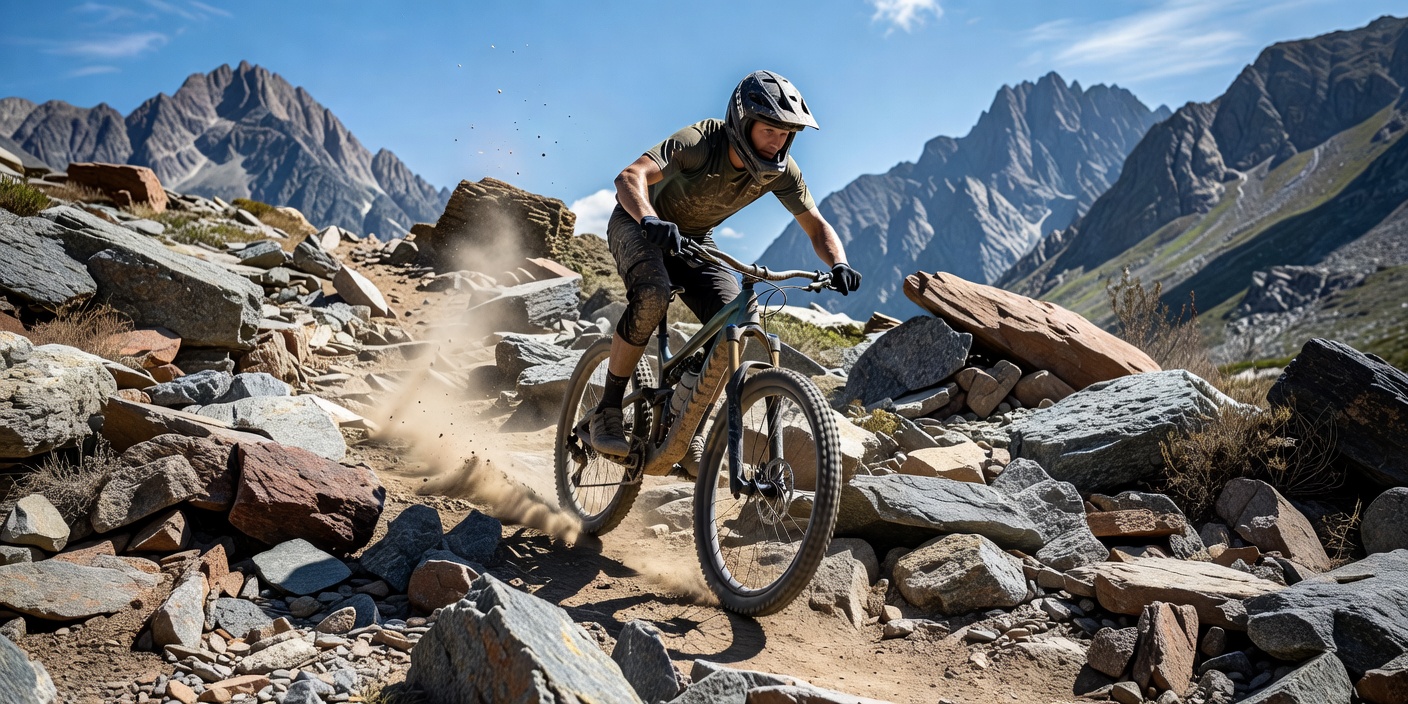
When descending or navigating technical features, you should be out of the saddle in the "attack position." Keep your pedals level (at the 3 o'clock and 9 o'clock positions), bend your elbows outward, and keep a slight bend in your knees. Your chin should be over the stem. This position allows your arms and legs to act as natural suspension, absorbing shocks before they disrupt your balance.
Target Fixation
A common beginner mistake is staring directly at the obstacle they wish to avoid—a phenomenon known as target fixation. Your body naturally steers the bike toward wherever your eyes are looking. Train yourself to look past the rock or root and focus on the exit line you want to take.
Trail Etiquette
Good trail etiquette ensures everyone enjoys their ride and keeps trail networks open.
The golden rule is that downhill riders must yield to uphill riders. Maintaining momentum on a climb is difficult, so step aside if you see someone grinding their way up. Always stay on the designated trail; cutting switchbacks causes severe erosion. Finally, ride dirt, not mud. Riding waterlogged trails creates deep ruts that ruin the surface when it dries.
Conclusion
Mastering the trails takes time, patience, and practice. Start on green flow trails to build your confidence in cornering and braking, gradually progressing to more technical terrain as your skills develop. Respect the trails, respect other riders, and enjoy the technical challenges that mountain biking provides.