Choosing the Right Road Bike
The first and most significant hurdle for any beginner is acquiring the right bicycle. Road bikes are specifically designed for paved surfaces, featuring narrow tires, a lightweight frame, and drop handlebars that allow for multiple hand positions. However, not all road bikes are created equal.
Endurance vs. Race Geometry
When shopping for a road bike, you will generally encounter two main categories of frame geometry: endurance and race.
- Endurance Geometry: These bikes prioritize rider comfort over long distances. They feature a slightly taller head tube, putting the rider in a more upright position. This reduces strain on the lower back and neck, making it the ideal choice for 90% of beginners. They also tend to have clearance for wider tires (28mm to 32mm), which run at lower pressures to absorb road vibrations.
- Race Geometry: Built for pure speed and aerodynamic efficiency, race bikes put the rider in a lower, more stretched-out position. While they are highly responsive and aggressive in corners, they require greater core strength and flexibility to ride comfortably for hours. Beginners should approach pure race frames with caution.
Essential Day-One Gear
You do not need to purchase every cycling accessory on the market to start riding, but a few items are non-negotiable for safety and basic comfort.
A high-quality, properly fitted helmet is paramount. Look for models featuring rotational impact protection systems. Aside from head protection, padded cycling shorts (often called bib shorts) will transform your riding experience. The padding, known as a chamois, prevents chafing and provides cushioning between your sit bones and the saddle. Finally, do not leave home without a basic repair kit containing a spare inner tube, tire levers, and a mini-pump or CO2 inflator.
Safety and Road Etiquette
Sharing the road with motor vehicles requires vigilance, predictability, and a clear understanding of traffic laws.
Be Visible and Predictable
Never assume a driver has seen you. Use daytime running lights—a flashing white light on the front and a bright red blinker on the rear—even in bright sunlight. When riding, hold a steady line. Weaving in and out of parked cars makes it difficult for drivers approaching from behind to gauge your trajectory. If you need to avoid a pothole, check over your shoulder before deviating from your line.
Group Riding Basics
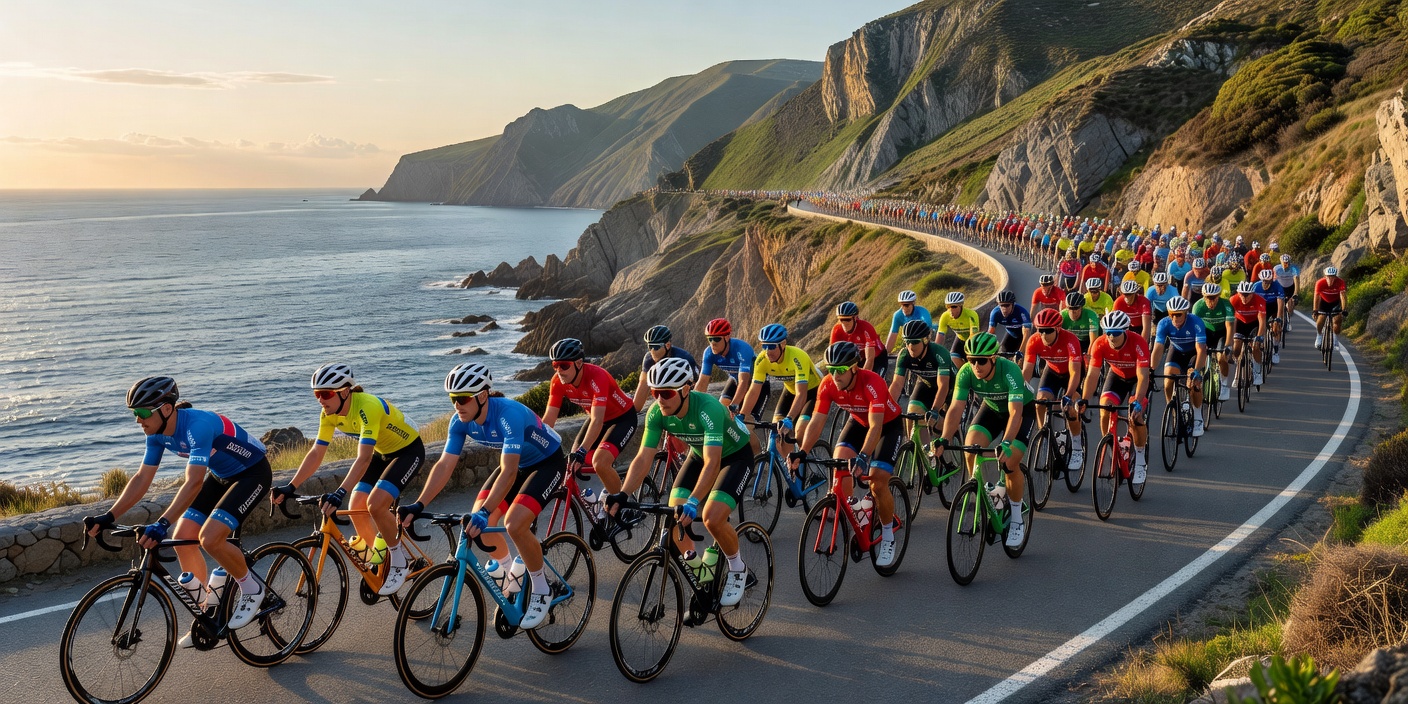
If you join a local cycling club, you will need to learn the basics of riding in a group. Never overlap your front wheel with the rear wheel of the rider in front of you; if they swerve unexpectedly, you will likely crash. Use clear hand signals to point out road hazards like potholes, glass, or gravel to the riders behind you.
Basic Technique: Shifting and Braking
Modern road bikes typically have integrated brake and shift levers. Understanding when and how to shift gears will make your ride significantly smoother.
Anticipate climbs by shifting into an easier (lower) gear before you hit the incline, rather than trying to force a shift when the chain is under heavy tension. When braking, apply both the front and rear brakes evenly. The front brake provides the majority of your stopping power due to weight transfer, but grabbing it too aggressively can cause you to pitch forward. Practice smooth, modulated braking in a quiet parking lot before taking on steep descents.
Conclusion
Road cycling is an incredibly rewarding endurance sport that offers lifelong fitness and exploration. By starting with a comfortable endurance bike, investing in a good helmet and padded shorts, and prioritizing safety on public roads, you will set yourself up for thousands of enjoyable miles. Take it one ride at a time, listen to your body, and enjoy the journey.